














Description
Custom Tuck End Auto Bottom Boxes: Two Problems, Two Mechanisms, One Box
Every folding carton has two closure points: the base that is assembled during packing, and the top that is opened by the consumer or end user. Most folding cartons use the same mechanism for both: a tuck flap that relies on friction. That economy works for light retail products in moderate conditions.
The tuck end auto bottom box uses a different mechanism for each closure, because each closure serves a different person at a different point in time.
The base is built by the packing team and must be fast, reliable, and capable of holding the product weight. The pre-glued auto-lock base handles this: it pops open in one motion, requires no folding sequence, and creates a base that will not fail under the product load.
The top is opened by the consumer or end user and must be easy, intuitive, and recloseable in many applications. The tuck-in top handles this: a single flap tucks in to close and pulls out to open, requiring no tools and no instructions.
Custom tuck end auto bottom boxes from Hexa Custom Boxes are built around this two-mechanism logic: the right closure for the right person at the right point in the product’s journey.
The Naming Explained: What “Tuck End” and “Auto Bottom” Each Refer To
This is the naming clarification that every first-time buyer of this format needs and that no competitor page provides.
The name “tuck end auto bottom” describes two separate closure mechanisms on two separate ends of the box.
“Tuck end” refers to the TOP closure. The top of the box closes with a tuck-in flap. The flap folds inward along a score line and tucks into the box opening, held by friction or a slit lock. It can be configured as a straight tuck (flap tucks toward the back panel, leaving the front panel completely clean) or a reverse tuck (flap tucks toward the front panel from the opposite direction).
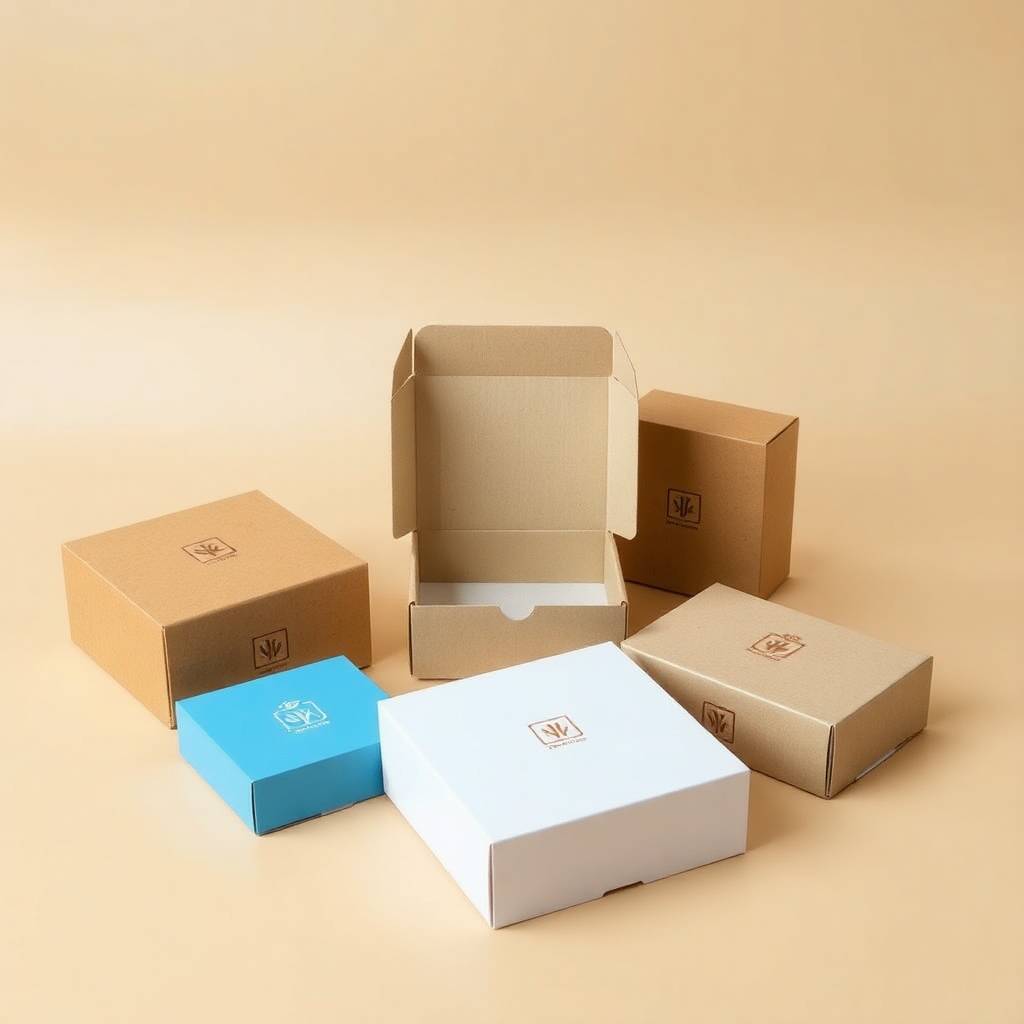
“Auto bottom” refers to the BASE closure. The base of the box is pre-glued at the factory and automatically locks into the open position when the box is squared up. No hand folding, no tape, no additional adhesive at the packing line.
Together: the box has a tuck-close top (consumer-friendly, easy to open and reclose) and an auto-lock base (packing-line-friendly, fast to set up and structurally reliable). The two closure mechanisms are independent and optimized for the two different people and contexts they serve.
Straight Tuck Top vs Reverse Tuck Top: The Choice Within the Format
Within the tuck end auto bottom format, the top closure can be either a straight tuck or a reverse tuck. Here is the distinction and when each is right.
| Feature | Straight Tuck Top | Reverse Tuck Top |
|---|---|---|
| Flap direction | Tucks toward the back panel | Tucks toward the front panel |
| Front panel appearance | Completely clean, uninterrupted top to bottom | Clean at top, bottom tuck edge visible at lower front |
| Board efficiency | Slightly less efficient per sheet | Slightly more material-efficient |
| Peg hook suitability | Excellent: top panel unobstructed | Good |
| Best for | Premium cosmetics, pharmaceutical, peg display | General retail, FMCG, cost-sensitive high volume |
| Consumer opening direction | From the front, same side as the base | Opposite direction to the base |
For most pharmaceutical and cosmetics applications, straight tuck top is the right default. The clean uninterrupted front panel maximizes the brand and regulatory copy space on the most visible surface. Reverse tuck top is the right choice when material efficiency at high volume is the priority and the slight lower front panel edge is acceptable.
The Two-Speed Supply Chain Argument
This is the commercial logic that explains why the tuck end auto bottom dominates retail folding carton production and that no competitor page develops.
The box is optimized for two different speeds at two different points in the supply chain.
Speed 1: The packing line (auto-lock base)
At the packing line, the auto-lock base eliminates the assembly step entirely. The pre-glued base pops open in one motion. The packing team does not fold, tuck, or tape the base. In a high-volume pharmaceutical operation running 300 units per hour, a manually assembled tuck base adds three to five seconds per unit. At 300 units per hour that is 15 to 25 minutes of additional labor per 1,000 units, plus the failure risk of a mis-folded base. The auto-lock base eliminates both.
Speed 2: The consumer opening (tuck top)
At the point of use, the tuck top allows immediate, tool-free, intuitive opening. The flap pulls out and the product is accessible. For multi-dose pharmaceutical products, the tuck top can be reclosed with the remaining product inside. A sealed end cannot be reclosed. The reclose functionality of the tuck top is a consumer safety and product protection requirement in many pharmaceutical categories, not a convenience feature.
The auto-lock base serves the packing line. The tuck top serves the consumer. They are different mechanisms serving different people at different moments. That is the commercial logic of this format.
The Slit Lock: When to Specify It on the Tuck Top
Most tuck end auto bottom boxes include a slit lock on the tuck top and most buyers do not know it is there or understand when to use it.
A slit lock is a die-cut slot in the side panel of the box. When the top tuck flap is closed, a small tab on the edge of the flap engages the slit slot and holds the closure mechanically rather than relying on friction alone.
A plain friction tuck holds by board pressure against the interior walls. It works for lightweight products opened once by the end user. Under product weight or repeated consumer open-and-reclose cycles, friction can release and the flap springs open.
A slit lock engages mechanically. It holds the flap closed through product weight, retail shelf handling, and multiple consumer opens without the spring-open failure. Specify the slit lock for:
- Pharmaceutical boxes that must not spring open during retail display under the product weight
- Supplement and vitamin boxes opened and reclosed daily by the consumer
- Any box containing a product heavy enough that the tuck flap would eventually release under sustained load
We include the slit lock as standard on most tuck end auto bottom boxes. Specify a plain friction tuck only for lightweight single-open applications where a slit lock would impede rapid consumer access.
Tuck End Auto Bottom vs the Rest of the Auto Bottom Family
| Format | Base | Top | Best For |
|---|---|---|---|
| Tuck end auto bottom (this box) | Pre-glued auto-lock | Tuck-in flap (straight or reverse) | Pharmaceutical, cosmetics, supplements, retail FMCG |
| Full flap auto bottom | Pre-glued auto-lock | Full-overlap sealed flaps | Heavy products, food, dustproof top required |
| Seal end auto bottom | Pre-glued auto-lock | All four top flaps fully sealed | Tamper-evident pharmaceutical, food, maximum top security |
| Standard tuck end | Manual tuck, friction both ends | Straight or reverse tuck | Light retail, most economical |
Choose tuck end auto bottom when the product is moderate to heavy, the packing line needs base assembly speed, and the consumer needs an easy intuitive top with reclose capability.
Choose full flap auto bottom when the top must be fully sealed across its full width with no gap, for dusty, food, or contamination-sensitive products.
Choose seal end auto bottom when both base and top must be fully sealed for tamper evidence or food compliance.
Weight Guidance
| Product Weight | Recommendation |
|---|---|
| Under 200g | Any tuck end format works. Auto bottom adds assembly speed, not structural necessity at this weight. |
| 200g to 500g | Tuck end auto bottom in 18pt SBS. The standard specification for this weight range. |
| 500g to 1kg | Tuck end auto bottom in 20pt SBS. Confirm auto-lock base construction for the specific product weight. |
| Over 1kg | Full flap auto bottom in 20pt SBS or corrugated. Tuck top may not provide adequate closure security at this weight. |
Where Tuck End Auto Bottom Boxes Earn Their Keep
| Application | Why This Format Fits | Top Variant | Material |
|---|---|---|---|
| Pharmaceutical retail (OTC, supplements) | Auto base for packing speed, tuck top for consumer reclose, slit lock for shelf integrity | Straight tuck | 18pt SBS |
| Cosmetics and skincare | High-volume packing, clean front panel, premium retail presence | Straight tuck | 18pt SBS |
| Vitamins and nutraceuticals | Multi-dose product, consumer reclose required | Straight or reverse tuck | 18pt SBS |
| Medical device secondary packaging | Packing line speed, FDA compliance copy, slit lock | Straight tuck | 18 to 20pt SBS |
| Food and snack retail (wrapped products) | Auto base for packing speed, tuck top for consumer access | Reverse tuck | Food-safe SBS |
| Electronic accessories | Auto base for product weight support, clean front panel | Straight tuck | 18pt SBS |
| Pet care and grooming products | Moderate weight, high-volume packing | Reverse tuck | 18 to 20pt SBS |
Pharmaceutical and Cosmetics: Why This Format Dominates
The tuck end auto bottom box is the most common retail folding carton in pharmaceutical and cosmetics manufacturing for reasons that go beyond cost and availability.
FDA compliance copy panel: The straight tuck top leaves the full front panel clean and uninterrupted, maximizing the available surface for regulatory copy and brand identity on the most visible panel.
Consumer reclose functionality: The tuck top allows the consumer to open, access the product, and reclose the box with remaining product inside. For multi-dose pharmaceuticals this reclose functionality is a safety and product protection requirement. A sealed end box cannot be reclosed after opening.
High-volume packing line compatibility: The auto-lock base eliminates the base assembly step at high unit-per-hour rates. Vertical cartoners load and close tuck end auto bottom boxes efficiently without additional labor or base-sealing equipment.
Child-resistant modification: For pharmaceutical products requiring child-resistant packaging under the PPPA, the tuck top closure can be modified to include a press-and-slide or push-and-pull mechanism meeting the F=1 standard. This modification is incorporated into the dieline before production. Specify the requirement before the dieline is designed.
Board and Material Options
| Material | Best For | Notes |
|---|---|---|
| 18pt SBS | Most pharmaceutical, cosmetics, and retail applications | Standard spec for this format |
| 20pt SBS | Heavier products, premium retail, extended shelf life | More rigid base panel under product weight |
| Kraft (uncoated) | Natural, eco-forward, artisan brands | Auto bottom construction available in kraft |
| Food-safe coated SBS | Food-adjacent applications | PE or clay coating for any direct food contact |
| E-flute corrugated | Products approaching 1kg, shipping-focused applications | Best base rigidity at the heavy end of the range |
Packaging Expert Tip: Choose the Tuck Direction for the Person Opening the Box, Not Just the Box
Here is the decision principle most brands apply incorrectly when choosing between straight and reverse tuck top for a tuck end auto bottom box.
Most brands choose tuck direction on aesthetics: straight tuck for premium brands because the front panel is cleaner, reverse tuck for cost-focused brands because it is slightly more material-efficient. Both are reasonable starting points.
The more useful question is: who opens this box and how do they open it?
A pharmaceutical patient opening a supplement for the first time typically holds the box with the front panel facing them and lifts the top. A straight tuck opening from the front is natural in this orientation. A reverse tuck requires the patient to find the correct flap on the opposite side, which adds one moment of confusion at first use.
A consumer opening a cosmetics product at a beauty counter holds the box front-facing and opens from the top. Same result: straight tuck is the more intuitive direction.
A stock clerk pricing and shelving a box holds it from the back or side and opens whichever end is accessible. Either tuck direction works equally well for this user.
Brief the tuck direction for the primary opening user and their natural orientation. For consumer-facing pharmaceutical and cosmetics products: straight tuck is the default. For back-of-house or retail stocking applications where the consumer does not open the box: reverse tuck is equally appropriate and more cost-efficient.
The distinction is the person, not the product.
What Every Hexa Order Includes
These terms apply to every order without exception or fine print:
- No die charges and no plate charges, zero hidden setup fees
- Low 100-box minimum for test runs or full production
- 8 to 10 business day turnaround from approved artwork
- Free dielines and ready-to-use templates
- Free 24/7 structural and print support from real packaging people
- 100% recyclable board stock on every order
Auto Base for the Packing Line. Tuck Top for the Consumer. Both Working Correctly at Their Respective Moments.
Pre-glued base that pops open in one motion. Tuck top that opens and recloses easily. Straight or reverse direction matched to the person opening it. Slit lock standard for retail handling integrity.
Get your free quote today. No setup fees, low 100-box minimum, delivered in 8 to 10 business days.
- 👉 Request a Free Quote
- 📞 Talk to a packaging expert — free 24/7 support
- ✉️ Email us anytime: hello@hexacustomboxes.com