













Description
Custom Sleeve Only: The Printed Wrap That Goes Over What You Already Have
A custom box requires a new dieline, new tooling, and a commitment to a single SKU format. A custom sleeve requires none of those things. The inner container stays exactly as it is. The sleeve slides over it, carrying the brand, the product story, the seasonal message, or the SKU variant. Remove the sleeve and the inner container is unchanged.
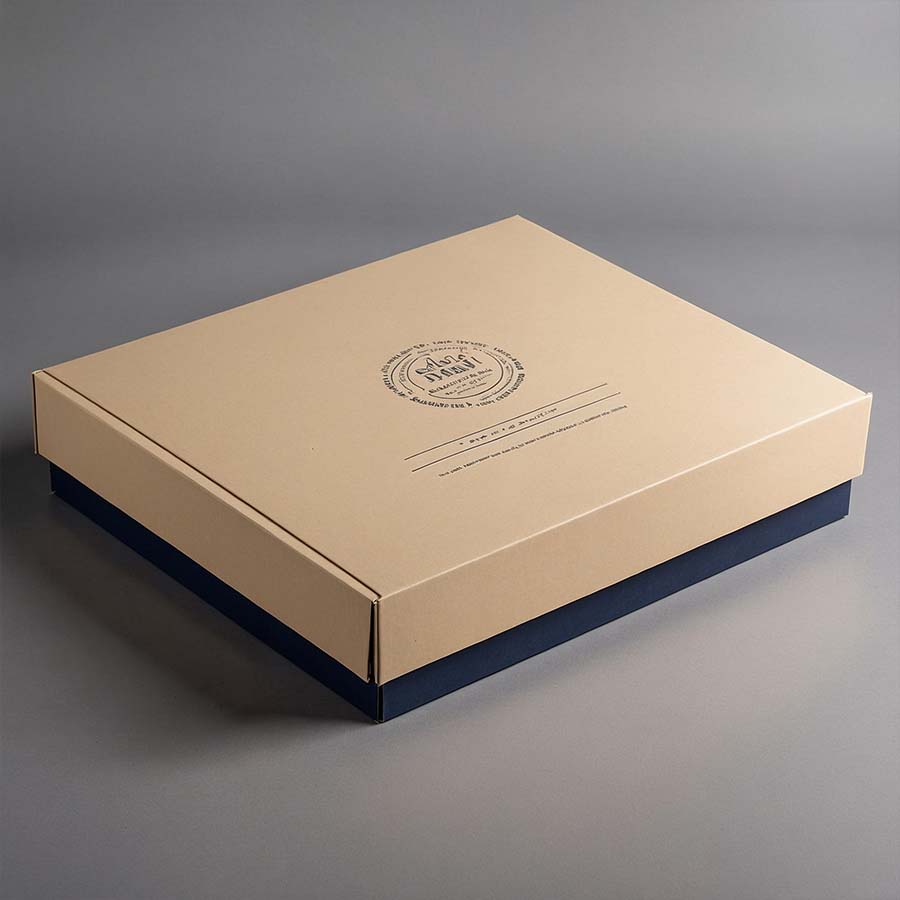
Custom sleeve only from Hexa Custom Boxes is built for brands that already have a box, jar, container, or product they are satisfied with and want to brand, differentiate, or seasonally update without changing the inner structure. One printed sleeve, slid over an existing container, transforms the presentation completely.
The Three Sleeve Only Formats
This is the format decision buyers need to make first and that no competitor page explains with any structural clarity.
Format 1: Open-End Tube
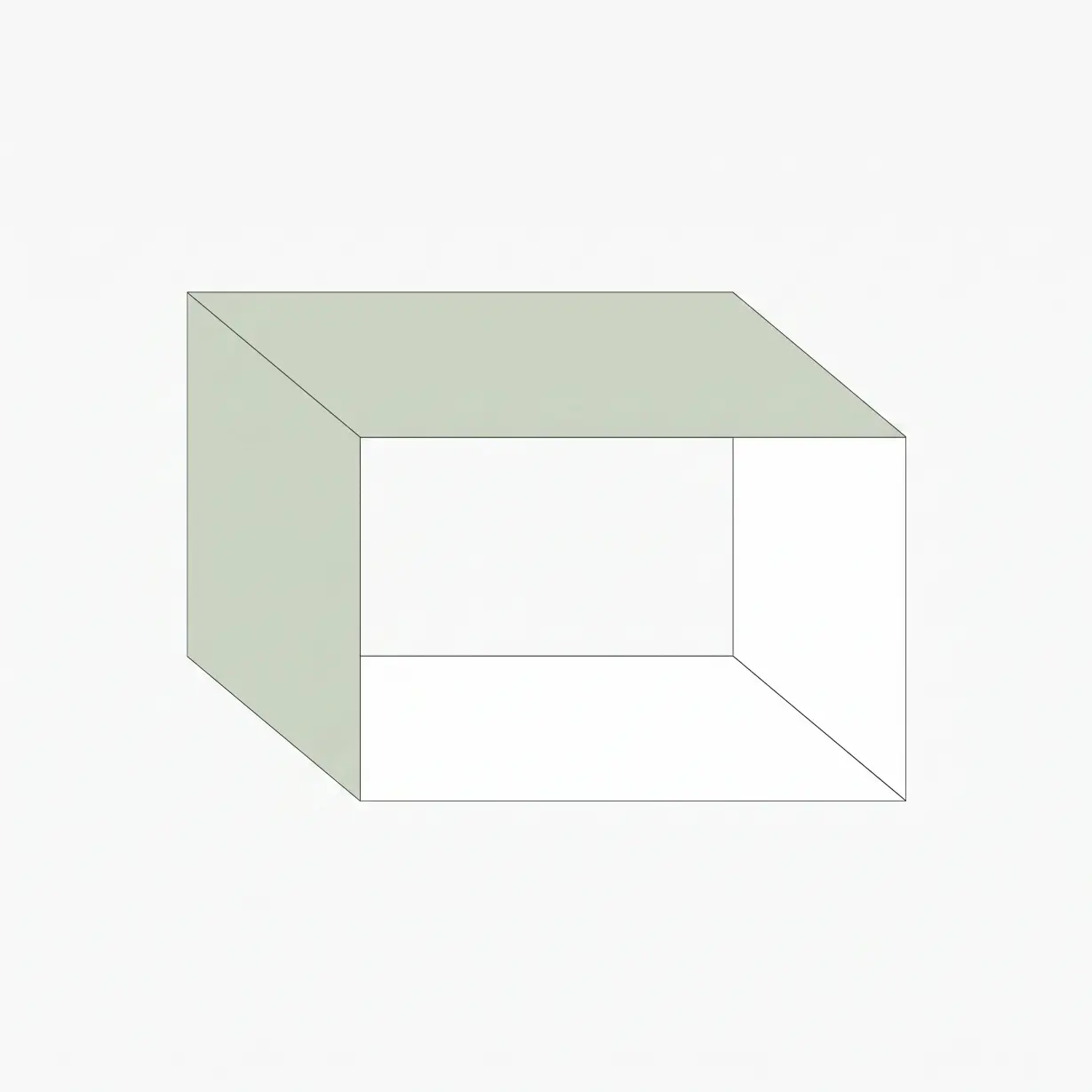
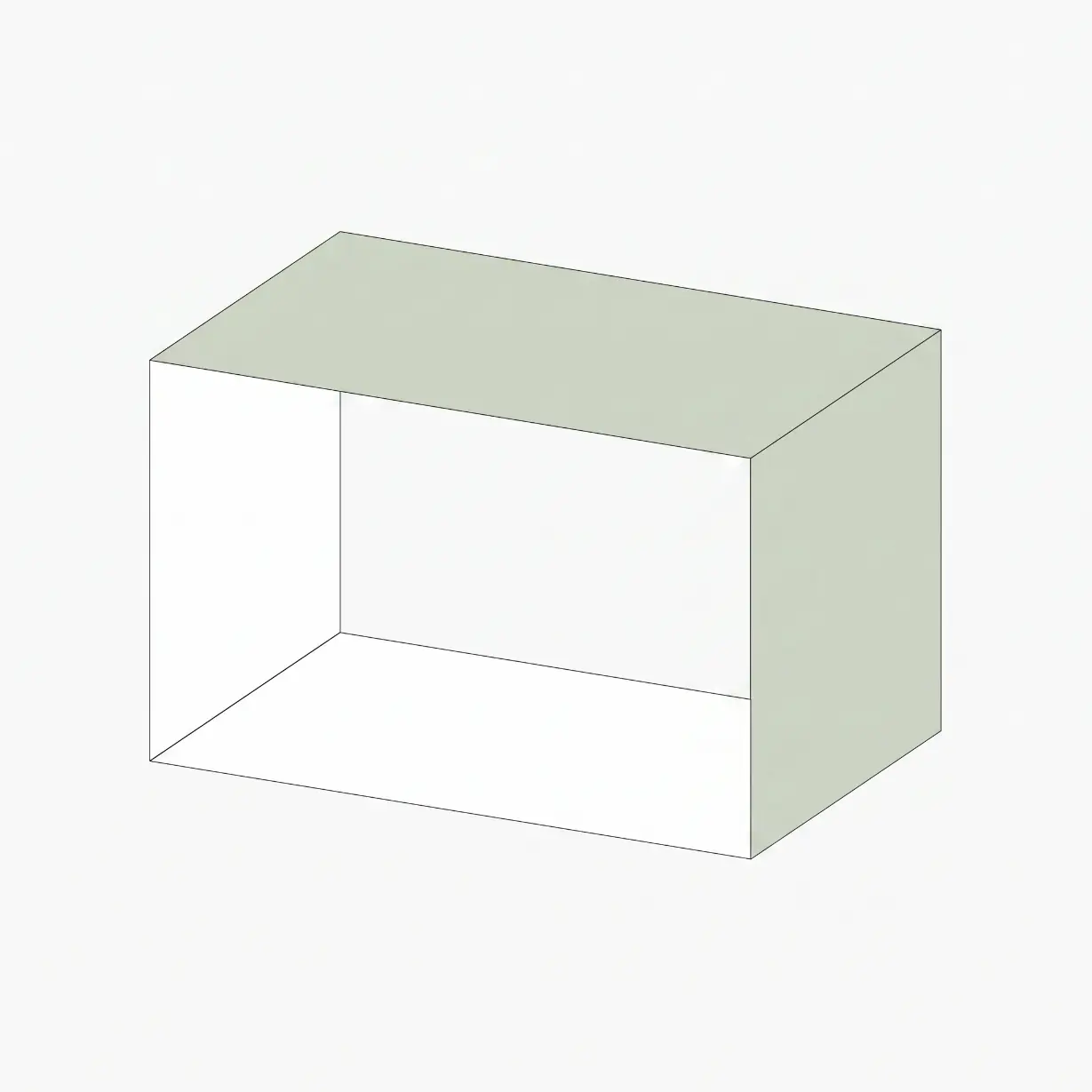
A continuous printed tube with no top or bottom panel. Open at both ends. The sleeve slides over the product or box from either end and is held in position by friction and the fit against the product surface. No glue or closure needed if the fit is snug enough to hold.
Best for: products that need the sleeve held in position by the product itself, boxes where the top and bottom are visible and should not be covered, and any application where the sleeve should be easy to remove for recycling or reuse.
Sizing: the sleeve interior circumference must match the outer perimeter of the product. The sleeve height must match the portion of the product the sleeve is intended to cover.
Format 2: Single-Tuck-End Sleeve
A tube with one open end and one tuck-in closure at the other end. The product is loaded from the open end and the tuck flap closes the base of the sleeve. The sleeve sits around the product with a clean closed base on one side.
Best for: products where the sleeve needs to close on one end for a more finished appearance, sleeve-on-top-of-box applications where the top of the box is visible through the open end and the base is tucked closed underneath.
Format 3: Belly Band (Center Wrap)
A narrower printed strip that wraps around the center section of a product or box without covering the top and bottom faces. The belly band adds branding and tamper evidence at the center wrap point, leaving the product or box top and bottom visible.
Best for: adding seasonal or campaign messaging to an existing plain box without covering the full box surface, bundling multiple items together with a single printed band, tamper evidence on food or cosmetic products where the product itself should remain visible at top and bottom.
What the Sleeve Can Wrap: Beyond Boxes
The sleeve only format works over more surfaces than most buyers realize. Here is the full range of applications.
| Inner Container | Sleeve Format | Common Application |
|---|---|---|
| Plain kraft or SBS folding carton | Open-end tube or belly band | Seasonal branding, SKU differentiation, promotional messaging |
| Glass jar or candle vessel | Open-end tube | Apothecary and candle labels, seasonal jar branding, product launch |
| Plastic bottle | Belly band or open-end tube | Beverage branding, supplement sleeve, personal care product |
| Clamshell container | Belly band | Retail clamshell branding, food service presentation |
| Egg carton or food container | Open-end tube or belly band | Artisan egg producer branding, specialty food service |
| Rolled garment (T-shirt, socks) | Open-end tube | Retail apparel presentation, gift packaging for clothing |
| Corrugated mailer box | Belly band | E-commerce unboxing upgrade without new box tooling |
| Candle tin or aluminum container | Open-end tube | Candle and home fragrance retail presentation |
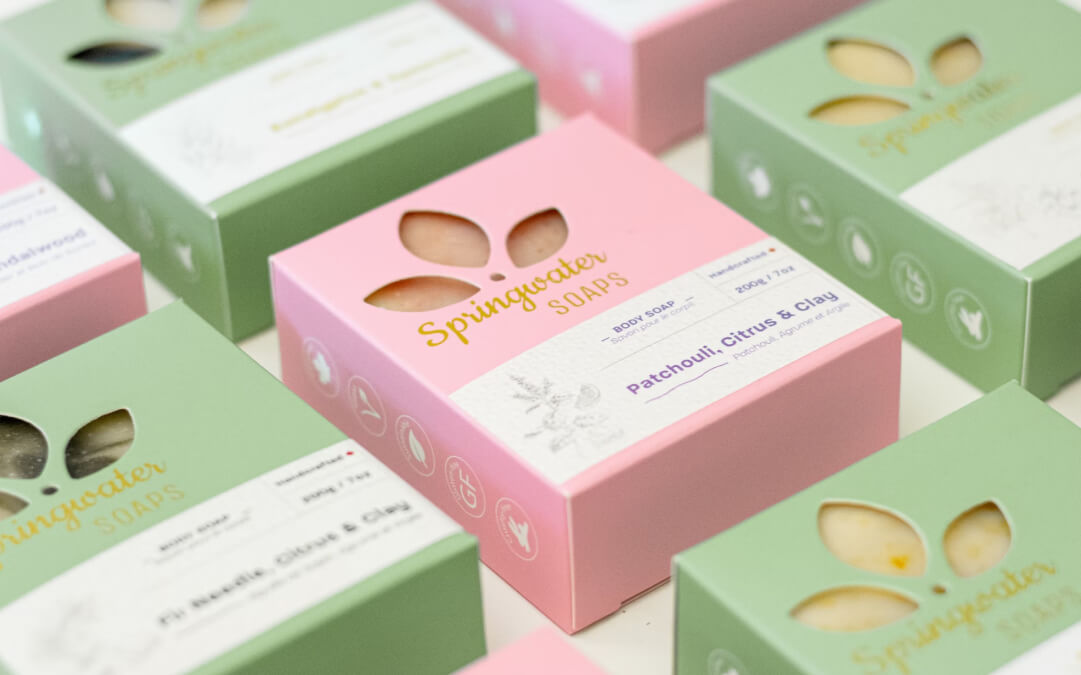
| Soap bar (unwrapped) | Open-end tube | Artisan soap retail and gifting packaging |
The SKU Flexibility and Seasonal Swap Strategy
This is the commercial argument that turns a sleeve only from a branding tool into a production strategy.
Consider a brand selling a single candle fragrance in a plain kraft box. They want four seasonal variants for spring, summer, fall, and winter without retooling the box for each season. The plain kraft box production run stays constant. Four different printed sleeves, each with different seasonal artwork, slide over the same box.
Result: one box SKU, four sleeve SKUs, four distinct retail presentations. The box tooling cost is shared across all four seasons. Only the sleeve print changes per season.
The same logic applies to:
Product variants: same box, different sleeves per flavor, scent, or finish variant. The inner box is interchangeable. The sleeve is variant-specific.
Market differentiation: a single product sold in multiple retail channels with different branding requirements. Same box, different sleeve per retailer.
Size differentiation: a brand with multiple sizes of the same product where the inner box size varies slightly but a consistent sleeve design is needed. One dieline with adjusted sizing per box size.
The sleeve is the cheapest unit of brand customization available. It costs significantly less to print and die-cut than a fully custom box, ships flat, and can be ordered at lower minimums per variant.
How to Measure for a Sleeve Only
This is the specification step most buyers get wrong and that no competitor explains clearly.
A sleeve is always measured from the outer dimensions of the container it wraps. The sleeve interior must match the outer perimeter of the container, plus the clearance allowance that allows the sleeve to slide on without binding.
Step 1: Measure the outer perimeter of the container. For a rectangular box: (outer width + outer depth) x 2 = perimeter. For a cylindrical jar or bottle: π x outer diameter = circumference.
Step 2: Add the clearance. A functional sleeve needs 1 to 2mm of total circumference clearance so it slides on and holds in position without binding. Divide this between the material used for the seam overlap and the fit tolerance.
Step 3: Specify the sleeve height. The sleeve height equals the portion of the container you want the sleeve to cover. For a full-height sleeve over a box, the height equals the box height. For a belly band, the height equals the band width at the center of the container.
Step 4: Specify the seam position. The seam is where the glue tab or overlap bonds the sleeve into a tube. The seam should be positioned at the least visible face of the container, typically the back face or the bottom edge, so it is not visible to the customer facing the front of the product.
Send us the outer container dimensions (width, depth, and height for rectangular, or diameter and height for cylindrical) and we build the sleeve dieline from those inputs.
Paper Weight vs Board Weight: Which One Is Right
This is the material decision most buyers make based on preference and should make based on function.
100lb paper (thin, flexible, lightweight):
A sheet about 0.1mm thick. Wraps around a container without adding meaningful rigidity. The container provides the structural support. The paper provides the print surface and the brand presentation. Easy to recycle, lightest possible weight addition, lowest cost per sleeve.
Right when: the inner container is already rigid and provides all the structural support needed, the sleeve is for branding and information only, and cost and weight minimization are priorities.
SBS board (14pt to 18pt):
A sheet from 0.35mm to 0.45mm thick. Adds rigidity to the sleeve itself, which matters when the sleeve needs to hold its shape independently of the container (belly bands over flexible pouches, sleeves over non-rigid containers, sleeves that need to stand upright at retail without an inner box). Best print surface, excellent lamination and finish options.
Right when: the sleeve needs to contribute its own structural rigidity, the inner container is flexible or not fully rigid, or the finish (foil, soft-touch lamination) requires a board substrate for best results.
Kraft paper (uncoated):
Natural brown, porous surface. Correct for eco-forward brands and artisan aesthetics where the natural look is part of the brand. Print behavior on uncoated kraft is the same as uncoated kraft vial boxes: dark inks perform well, light and pastel colors appear muted. A white ink underlay is needed for full-color accuracy.
Seam Position: The Design Detail That Determines Whether the Sleeve Looks Finished
This is the specification that determines whether the sleeve looks custom-manufactured or homemade, and nobody addresses it.
Every sleeve that wraps around a container must close somewhere. The glue tab or overlap seam is where the two edges of the sleeve bond to form the tube. That seam is a physical joint in the material and a visible line on the assembled sleeve.
On a well-specified sleeve, the seam is positioned at the least visible face of the container. For a box with a clear front face, back face, and two side faces, the seam goes on the back face. For a cylindrical jar or bottle, the seam aligns with the back of the label area. For a belly band, the seam goes at the back center.
On a poorly specified sleeve, the seam ends up on the front face because the seam position was not specified at all. The glue tab lands wherever the production geometry puts it, which is often the visible face.
We specify seam position on every sleeve dieline before production. Tell us which face is the non-visible or back face of the container and we position the seam accordingly.
Where Custom Sleeve Only Earns Its Keep
| Application | Why Sleeve Only Fits | Format | Material |
|---|---|---|---|
| Seasonal gifting on a plain kraft box | Four seasonal sleeves, one box SKU, full seasonal rotation | Open-end tube or belly band | 14 to 16pt SBS |
| SKU differentiation by scent or flavor | Sleeve changes per variant, inner box constant | Open-end tube | 14 to 16pt SBS or 100lb paper |
| Artisan soap bar retail | Sleeve over unwrapped soap, sleeve is primary packaging | Open-end tube | 100lb paper or kraft |
| Candle jar in a plain vessel | Sleeve over glass jar for retail presentation | Open-end tube | 14 to 16pt SBS |
| Rolled garment (socks, T-shirt) | Sleeve over rolled fabric for retail gift format | Open-end tube | 14 to 16pt SBS |
| Beverage or supplement bottle branding | Belly band for category differentiation | Belly band | 100lb paper or SBS |
| Clamshell retail branding | Belly band over existing clamshell | Belly band | 100lb paper |
| E-commerce mailer upgrade | Belly band over plain corrugated mailer | Belly band | 16pt SBS |
| Tamper evidence on food containers | Belly band with tear-open perforation | Belly band | 100lb paper |
Print and Finish Options for Sleeve Only
A sleeve only is a printable surface on one side (the exterior) and usually blank on the interior.
- PMS spot-color matching and full CMYK for accurate brand color
- Full bleed print across the full sleeve exterior
- Spot UV on logo or key brand elements
- Foil stamping for premium retail and gifting positioning
- Matte or gloss lamination for scuff resistance through handling
- Soft-touch matte for premium cosmetic and luxury applications
- Perforated tear strip for belly band tamper evidence applications
- Kraft (uncoated) with dark ink for artisan and eco-forward brands
- Window die-cut in the sleeve for product visibility (open-end tube over a box with a windowed base)
Packaging Expert Tip: Measure the Product in the State It Will Be When the Sleeve Goes On
Here is the measurement error that produces a sleeve that will not fit and that no competitor addresses.
A box is measured flat before packing. A soap bar is measured alone. A garment is measured unrolled. Then the sleeve is sized to those dimensions, the product is packed, and the sleeve does not fit.
The sleeve must be sized to the product in the state it will be in when the sleeve is applied.
A rolled T-shirt in the configuration it will be rolled for retail is wider and taller than the unrolled garment measured in a flat state. A soap bar in its cellophane wrapper is slightly larger than the bare bar. A box with tissue paper and product inside it is no different from an empty box (the outer dimensions do not change with packing), but a pouch with product in it is significantly different from an empty flat pouch.
The rule: measure the container or product after packing, not before. Then size the sleeve to those outer dimensions with the clearance allowance. This is the step that determines whether the sleeve fits as intended.
What Every Hexa Order Includes
These terms apply to every order without exception or fine print:
- No die charges and no plate charges, zero hidden setup fees
- Low 100-piece minimum for test runs or full production
- 8 to 10 business day turnaround from approved artwork
- Free dielines and ready-to-use templates
- Free 24/7 structural and print support from real packaging people
- 100% recyclable board stock on every order
The Sleeve That Fits What You Have and Changes What the Customer Sees
Sized from the outer dimensions of your existing container. Seam at the non-visible face. Format matched to the coverage you need. Seasonal or SKU variant ready to swap without retooling the inner box.
Get your free quote today. No setup fees, low 100-piece minimum, delivered in 8 to 10 business days.
- 👉 Request a Free Quote
- 📞 Talk to a packaging expert — free 24/7 support
- ✉️ Email us anytime: hello@hexacustomboxes.com