













Description
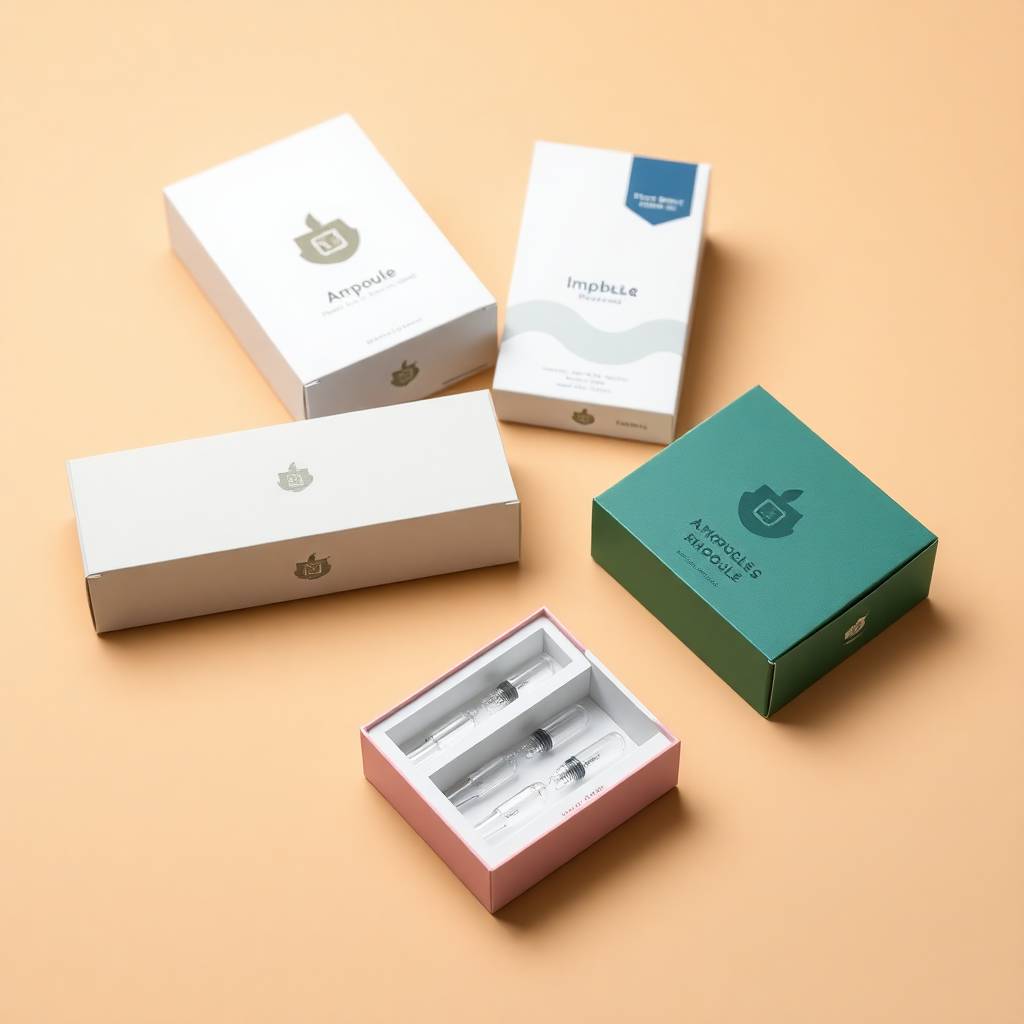
Custom Vial Boxes With Inserts: The Insert Is the Protection System, Not the Box
A vial box without an insert is just a box. The vial moves, shifts, and clacks against the walls of the packaging with every bump in transit. That movement is what causes breakage, leakage, and damaged product. The box provides the structure. The insert provides the protection.
Most buyers spend the majority of their packaging budget on the box exterior, the print, the finishes, the material. They treat the insert as an afterthought specified after everything else is decided. The most experienced brands do the opposite. They specify the insert first, because the insert determines the box interior dimensions, which determines the outer box dimensions, which determines everything that comes after.
Custom vial boxes with inserts from Hexa Custom Boxes are built insert-first: the insert is specified to the vial, the outer box is built to the insert, and the exterior finishes are applied to the outer box. The protection system is engineered before the branding brief.
The Five Insert Types for Vial Packaging: An Honest Comparison
This is the decision framework every competitor lists as a menu and nobody explains as a choice. Here is the honest comparison applied specifically to vial packaging.
| Insert Type | Protection Level | Presentation Level | Eco Profile | Lead Time | Cost |
|---|---|---|---|---|---|
| EVA foam (die-cut) | Highest: absorbs impact and vibration, glass-safe surface | Premium: clean, smooth, available in brand colors | Moderate: not biodegradable, recyclable in some programs | 7 to 14 days | Mid |
| Cardboard cradle (die-cut) | Good: holds vial in position, lower impact absorption | Good: printable surface, cleaner than plain corrugated | High: fully recyclable, paper-based | 7 to 14 days | Low |
| Molded pulp tray | Good: formed cavity, natural cushioning | Natural: textured surface, earthy aesthetic | Highest: recycled fiber, compostable | 3 to 5 weeks (mold required) | Low to mid once mold is made |
| Thermoformed PET tray | Good: precise fit, rigid structure | Retail-ready: vial visible through clear insert | Low: plastic, not biodegradable | 3 to 5 weeks (mold required) | Mid to high |
| Fabric-lined foam | High: foam base plus velvet or satin surface | Luxury: no other insert matches the tactile quality | Low: mixed materials, not easily separated | 2 to 4 weeks | High |
Foam is strongest when protection comes first. Cardboard is strongest when structure and presentation need to work together. Molded pulp sits in between when the product needs a formed cavity but the pack does not call for foam.
Cavity Insert vs Cradle Insert: The Structural Choice Nobody Explains
Within the foam and cardboard insert categories, there are two distinct structural configurations. Most buyers do not know the difference exists. It determines how the vial sits, how it is removed, and how it presents when the box opens.
Cavity insert: A solid block of foam or cardboard with a hole cut through it to the depth of the vial body. The vial drops into the hole and is surrounded on all sides by the insert material. Maximum lateral containment. The vial cannot rock or tilt. Best for glass vials that need to stay perfectly upright during transit and storage.
Cradle insert: A formed channel or curved recess that the vial rests in from the side or from below. Less lateral containment than a full cavity but allows the vial to be visible from above without removing it. Best for retail display applications where seeing the vial through the open lid is part of the presentation.
For most pharmaceutical and peptide vial applications, a cavity insert with 2 to 3mm clearance per side is the right default. For premium cosmetic vials in a display gift box where the vial is presented as part of the unboxing, a shallow cradle that shows the label is the better choice.
The Insert Height Rule: The Specification Most Brands Miss
This is the dimensional specification that determines whether the vial can actually be lifted out of the insert by the end user, and it is completely absent from every competitor page.
The insert height must bring the top of the vial (or the top of the cap) to a level that allows the user to grip the vial with two or three fingers without the rim of the outer box obstructing the grip.
For a rigid box with walls that extend above the insert surface: the vial top should protrude at least 15 to 20mm above the insert surface so fingers can grip around the cap or the upper body without the box wall getting in the way.
For a folding carton with a tuck-top lid: the insert height is less critical for grip since the full top of the box opens, but the vial should not sit so deep that the user has to tip the box to slide the vial out.
The packaging must provide a snug fit without exerting undue pressure. A box that is too large allows lateral movement and increases the risk of impact damage. An overly tight fit may stress the vial walls and potentially compromise the seal or cause microfractures.
When we spec the insert, we calculate the grip clearance as a standard step. Tell us the outer box format (rigid or folding carton) and the vial height including cap, and we confirm the insert height brings the vial to a usable grip position.
Multi-Vial Insert Layout Options
The insert layout determines how multiple vials are organized within the box and how the box presents when opened.
| Layout | Description | Best For |
|---|---|---|
| Single row | Vials arranged in one line left to right | 2, 3, 4 vials in a narrow elongated box. Clean and minimal. |
| 2×3 grid | 6 vials in two rows of three | Standard 6-vial set or peptide kit. Balanced proportions. |
| 2×2 grid | 4 vials in two rows of two | 4-vial kits, symmetric presentation |
| Alternating offset | Each row offset by half a vial width | More vials per footprint, less common for pharmaceuticals |
| Mixed size | Different slot sizes for different vials | Peptide duo kits (vial plus bacteriostatic water), gift sets with varied product sizes |
| Radial | Vials arranged in a circle around a center element | Premium gift formats, cosmetic collection sets |
For most pharmaceutical and commercial peptide applications, a single row or 2×3 grid is the right default. For premium gifting and cosmetic collections, mixed-size and radial layouts create a more distinctive unboxing moment.
The Presentation Function of the Insert: The Detail That Affects Perceived Value
Every competitor frames the insert as a protection component. It is also a presentation component, and the two jobs require the same insert to do two different things well.
When the lid of the vial box opens, the first thing the recipient sees is the insert. The insert surface is the visual context in which the vial is presented. That context affects the perceived value of the product before the vial is touched.
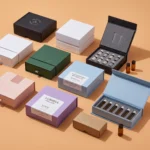
Black EVA foam: The product is presented as premium, clinical, and high-value. The vial stands out sharply against the dark background. The combination of a matte black outer box and black EVA foam is the standard for commercial peptide brands and premium pharmaceutical aesthetics.
White EVA foam: The product reads as clean, clinical, and pharmaceutical. White foam in a white or cream box signals sterility and precision. Standard for pharmaceutical dispensing and clinical aesthetics.
Natural molded pulp: The product reads as organic, artisanal, and eco-forward. The textured natural surface communicates brand values before the vial is seen. Standard for essential oil gift sets and natural wellness brands.
Fabric-lined (velvet or satin): The product reads as luxury and keepsake. No other insert material creates the same tactile signal. Standard for jewelry-adjacent cosmetic vials, perfume decant sets, and premium single-dose gifting.
If the packaging is for luxury products, fabric-covered EVA inserts are ideal. If the brand focuses on sustainability, molded pulp or cardboard inserts are better choices.
Choose the insert color and material at the same time as the outer box finish. They are one visual brief, not two.
Insert Lead Times: The Planning Information Nobody Publishes
This is the practical planning detail that every buyer needs before they order and that no supplier page provides.
| Insert Type | Production Lead Time | Notes |
|---|---|---|
| Die-cut EVA foam | 7 to 14 business days | No tooling required, fastest insert type |
| Die-cut cardboard cradle | 7 to 14 business days | No tooling required, fastest paper-based option |
| Molded pulp tray | 3 to 5 weeks in low volumes | Mold required for each new shape, upfront tooling cost |
| Thermoformed PET tray | Lead time similar to molded pulp or longer | Tooling cost significant, suitable for high-volume runs |
| Fabric-lined foam insert | 2 to 4 weeks | Fabric application adds time after foam is cut |
For brands with an upcoming launch date, the lead time is the most important insert specification after the material itself. If the launch date is 6 weeks away, die-cut EVA foam or cardboard is achievable. If the launch date is 3 weeks away, only die-cut inserts are realistic. If the brand wants molded pulp, plan 8 to 10 weeks from first sample approval to delivery.
Build the insert lead time into the project plan before the outer box is ordered. The outer box and the insert should arrive at the packing line at the same time.
Where Vial Boxes With Inserts Earn Their Keep
| Application | Vial Count | Recommended Insert | Outer Box Format |
|---|---|---|---|
| Single pharmaceutical vial (retail) | 1 vial | Die-cut EVA foam, white, 2mm clearance | Folding carton SBS tuck-end |
| Premium peptide vial (single) | 1 vial | Grade A EVA foam, black | Rigid magnetic closure |
| Cosmetic serum duo | 2 vials | EVA foam or cardboard cradle | Two-piece rigid or folding carton |
| Essential oil gift set | 6 vials (10ml roller) | Molded pulp or EVA foam | Rigid or folding carton kraft |
| Peptide research kit (vial + BAC water) | 2 vials | Dual-slot EVA foam, labeled slots | Rigid magnetic or two-piece |
| Clinical 10-vial pack | 10 vials | 10-slot corrugated tray or EVA | Folding carton SBS |
| Perfume decant set | 3 to 5 vials | Fabric-lined foam cradles | Rigid box |
Print and Branding on the Insert
The insert is a printable surface for brands that want to use it.
EVA foam: Available in solid brand colors without additional printing. Logo or text can be debossed (pressed into the foam surface) for a premium tactile mark.
Cardboard cradle: Fully printable with CMYK or PMS, including the visible inner walls of each slot. A branded tray floor is common for premium gifting.
Molded pulp: Limited print options on rough pulp. Smooth thermoformed pulp accepts label application. A branded printed card laid inside the pulp tray is the most common approach.
Thermoformed PET: Clear by default, showing the product through the insert. Color can be added to PET for a brand-color tray, or a printed card can sit under the clear tray for brand messaging visible through the insert.
Packaging Expert Tip: Spec the Insert from the Unboxing Moment, Not the Transit Requirement
Here is the brief sequence that produces a vial box with an insert that performs its protection job and its presentation job simultaneously.
Most brands spec the insert for transit: what holds the vial still? That is correct but incomplete. The insert also has to perform at the moment the lid opens.
Brief the insert from the unboxing moment backward. Ask three questions before writing the insert specification.
First: what does the recipient see in the first two seconds after the lid opens? That is the insert color, surface finish, and vial presentation height. Choose those first.
Second: how does the recipient grip and remove the vial? That determines the insert height rule and the cavity vs cradle decision.
Third: what transit conditions does the vial go through? That determines the foam density, the clearance, and whether an additional lid liner pad is needed for the cap area.
Conduct drop tests and compression analysis to validate packaging durability under real-world conditions. For any vial box going through a parcel shipping network, we recommend a drop test with the actual vial and insert before approving full production. A drop from one meter onto a concrete surface on each face of the box is the standard simulation. If the insert holds the vial still and the glass survives, the specification is right. If not, the clearance or the foam density needs adjustment before production.
Three questions. One drop test. The insert brief that works.
What Every Hexa Order Includes
These terms apply to every order without exception or fine print:
- No die charges and no plate charges, zero hidden setup fees
- Low 100-box minimum for test runs or full production
- 8 to 10 business day turnaround for die-cut foam and cardboard inserts
- Free dielines and ready-to-use templates
- Free 24/7 structural and print support from real packaging people
- 100% recyclable board stock on every order
The Insert That Holds the Vial Still, Presents It Cleanly, and Survives the Drop Test
Cavity or cradle. Foam, cardboard, pulp, or fabric. Color matched to the box. Height calculated for the grip. Clearance validated against the vial.
Get your free quote today. No setup fees, low 100-box minimum, delivered in 8 to 10 business days for die-cut insert types.
- 👉 Request a Free Quote
- 📞 Talk to a packaging expert — free 24/7 support
- ✉️ Email us anytime: hello@hexacustomboxes.com