

















Description
Custom Cardboard Vial Boxes Built to the Board Grade Your Product and Channel Actually Need
Most vial box buyers search for “cardboard” and most suppliers confirm they make cardboard vial boxes without explaining what that means in production terms.
Cardboard is not a packaging specification. It is an everyday word that describes paperboard cartons, corrugated shipping boxes, rigid gift boxes, and folding carton retail packaging, all of which are made from different materials with different structural properties, different print behaviors, and different regulatory suitabilities for pharmaceutical, cosmetic, and laboratory vial applications.
Custom cardboard vial boxes from Hexa Custom Boxes are built from the board grade that matches what you are actually trying to do: protect the vial in transit, present it on a retail shelf, comply with FDA labeling requirements, or communicate a natural brand story. The conversation starts with the channel and the product, not with a generic material name.
What “Cardboard” Actually Means in Vial Box Production
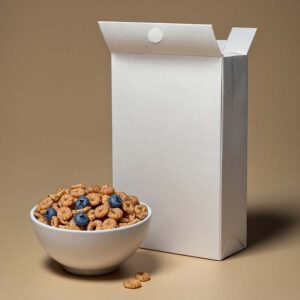
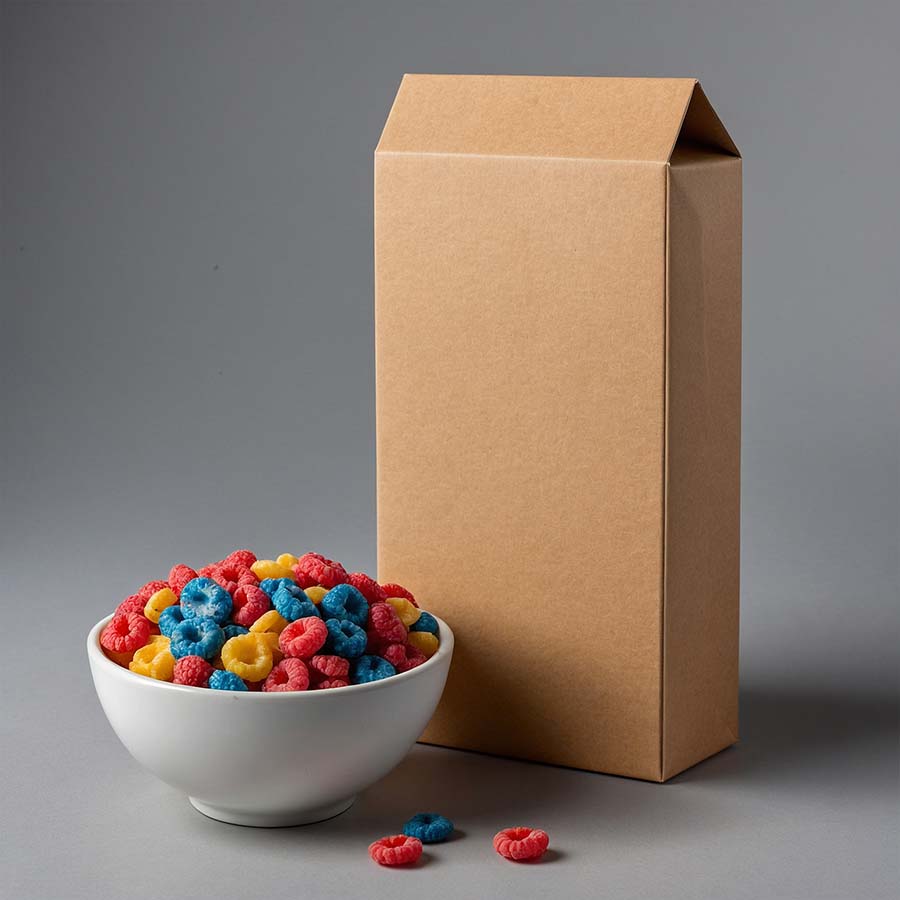
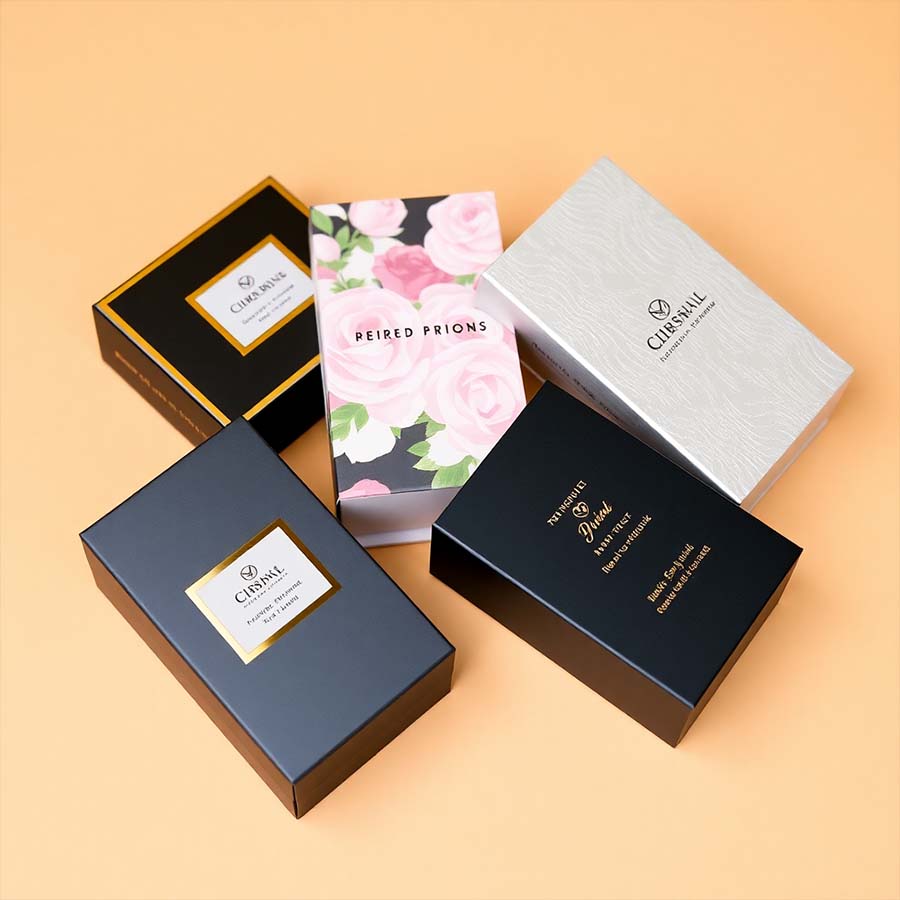
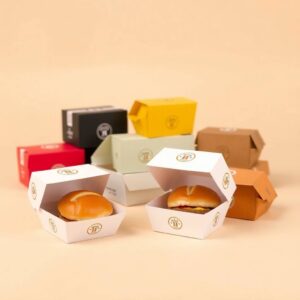
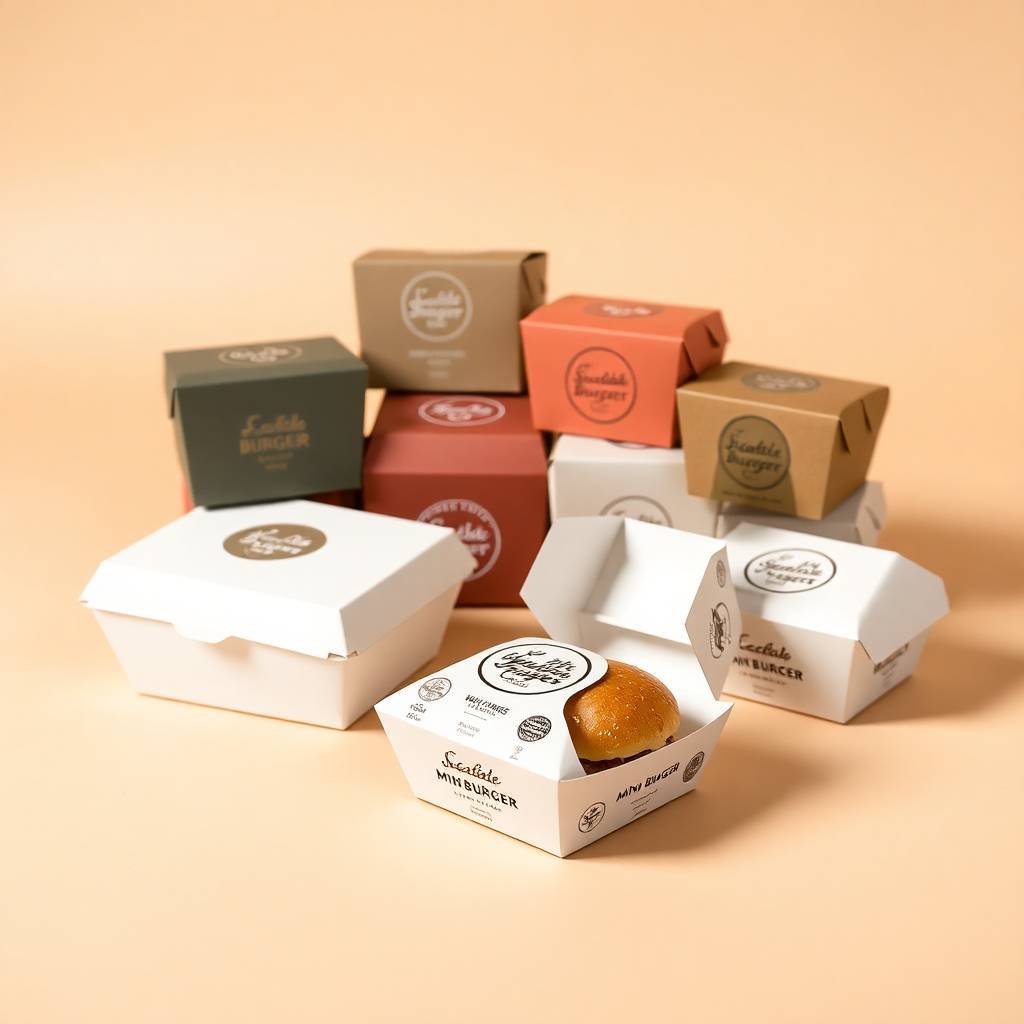
Cardboard is a common everyday word, but it is not always precise in professional packaging. Customers may use cardboard to describe cereal boxes, gift boxes, folding cartons, rigid boxes, or shipping boxes. In production, it is better to use the specific material name. A folding carton may use paperboard, a rigid box may use greyboard or chipboard, and a shipping box usually uses corrugated board.
For vial boxes specifically, the four material categories that buyers mean when they say “cardboard” are:
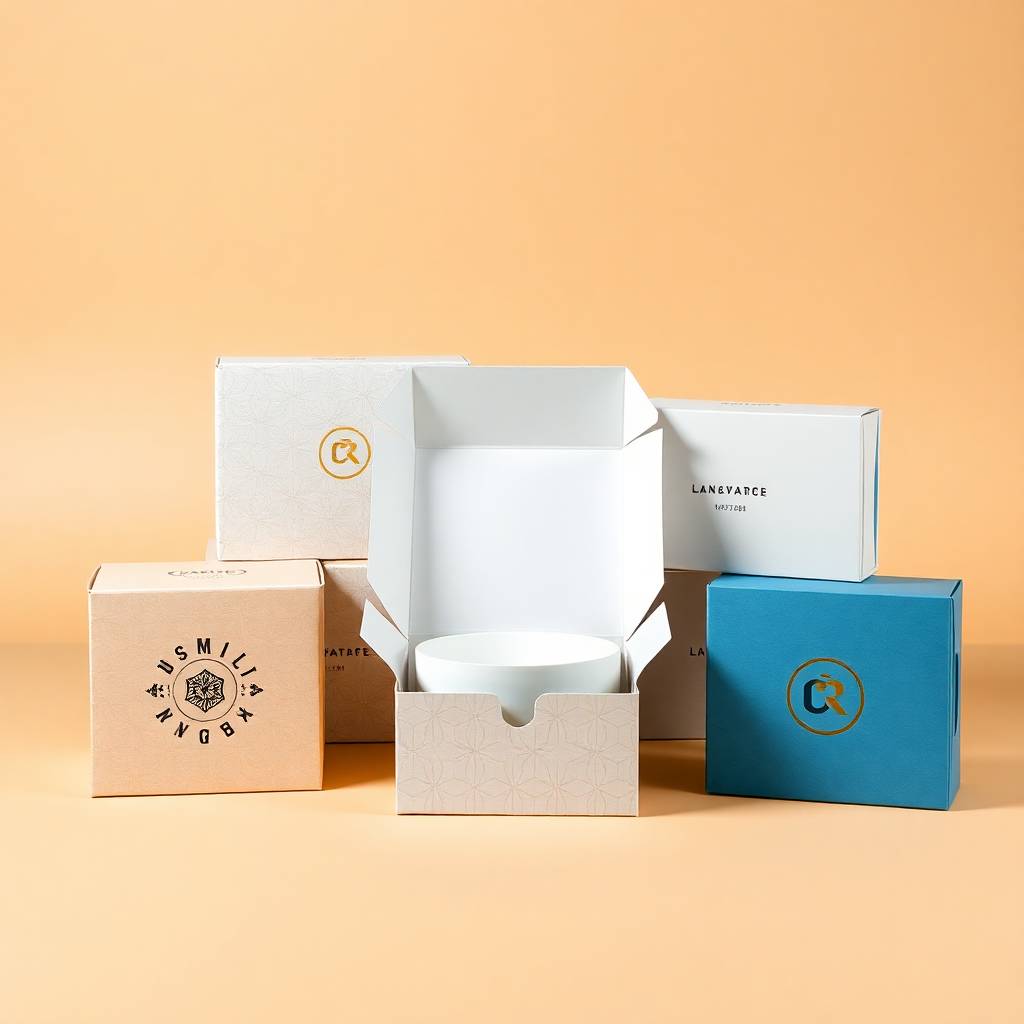
SBS (Solid Bleached Sulfate): The standard pharmaceutical and cosmetic folding carton board. 100% virgin bleached fiber, bright white surface on both sides, excellent printability, and food-safe. SBS has the highest whiteness, best surface for print, and best food safety profile of any coated folding carton board. It is the standard specification for pharmaceutical cartons and premium food packaging. When a buyer says “cardboard vial box” for a pharmaceutical or cosmetic application, SBS is almost always the right material.
Kraft paperboard: Unbleached kraft fiber in natural brown. Strong, eco-forward, and the visual signal for natural, organic, and artisanal brands. Less print fidelity on dark colors than SBS but excellent for dark-ink designs. The right choice for essential oils, herbal supplements, and botanically-derived products.
Corrugated board: Fluted board (E-flute or B-flute) for shipping and transit protection. Not for retail shelf display. Right for multi-vial kits that will travel through a courier network without an additional outer shipper.
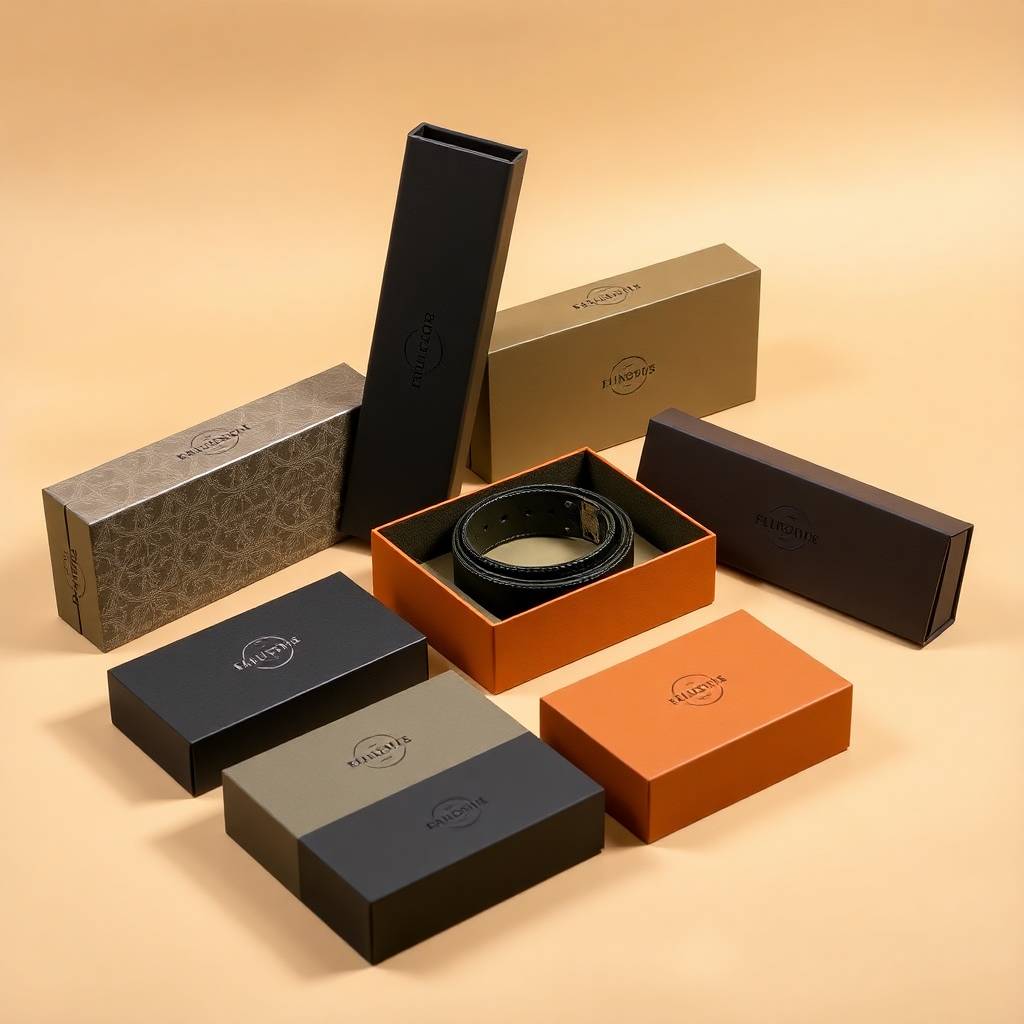
Rigid greyboard: Chipboard or greyboard wrapped in litho-printed paper. Pre-assembled, not flat-shipping. The right material for premium presentation and keepsake boxes, not for volume retail or pharmaceutical dispensing.
Choosing the Right Board Grade: The Decision Table
| If the vial box needs to: | Specify: | Typical GSM Range |
|---|---|---|
| Sit on a pharmacy or retail shelf with compliance copy and brand print | SBS folding carton | 300 to 400 GSM |
| Signal natural, organic, or artisanal brand identity | Kraft paperboard | 300 to 400 GSM |
| Ship through a courier network as the outer packaging | E-flute or B-flute corrugated | Board by ECT rating |
| Present a luxury product at gift or premium retail price points | Rigid greyboard | 1.5mm to 3mm caliper |
| Hold multiple vials together for a retail kit or gift set | SBS or corrugated depending on transit requirement | 350 GSM SBS or E-flute |
For most single vials, a sturdy paperboard around 350 GSM holds shape and prints cleanly. Use corrugated for shipping and heavier multi-vial kits. This is the practical rule that tells most buyers which category they are in within two questions: is this box going on a shelf or into a courier bag?
Board Grade Technical Comparison for Vial Packaging
Buyers who need to specify precisely or verify received material will encounter these technical terms.
| Property | SBS | Kraft Paperboard | Corrugated E-flute | Rigid Greyboard |
|---|---|---|---|---|
| Fiber type | 100% virgin bleached | Unbleached kraft fiber | Virgin or recycled fluted | Recycled or virgin chipboard |
| Surface color | Bright white (88 to 92 ISO brightness) | Natural brown | Brown or white facing | Depends on wrap |
| Print quality | Excellent: vivid color, sharp detail | Good for dark inks, muted for light colors | Good on coated facing | Excellent on litho wrap |
| Stiffness per GSM | 300 GSM SBS is significantly stiffer than 300 GSM FBB at similar caliper | Good, lower bulk than FBB | Structural rigidity from flute | Maximum rigidity |
| Food safety | Yes: virgin fiber, no recycled content | Yes: unbleached, food-compatible | Depends on facing and adhesive | Depends on wrap and adhesive |
| Ships flat | Yes | Yes | Yes | No: pre-assembled |
| Common caliper range | 14pt to 24pt (0.014 to 0.024 inch) | 14pt to 22pt | By flute profile | 1.5mm to 3mm |
GSM and Caliper: Converting Between the Two
Many US buyers specify board in points (caliper) while some suppliers quote in GSM. Here is the practical conversion reference.
| Caliper (points) | Approximate GSM (SBS) | Typical Application |
|---|---|---|
| 14pt | 250 to 280 GSM | Light retail cartons, small single vials |
| 16pt | 280 to 320 GSM | Standard cosmetic and pharmaceutical folding cartons |
| 18pt | 300 to 350 GSM | Standard pharmaceutical retail, most vial boxes |
| 20pt | 350 to 380 GSM | Heavier products, premium retail, multi-vial sets |
| 24pt | 400 to 420 GSM | Substantial cartons, heavy vials, premium gifting |
Caliper refers to the physical thickness of the cardboard, while GSM measures the weight of the material per square meter. GSM alone does not determine structural strength, as material composition plays a more important role. A 400 GSM recycled board can perform weaker in structural resistance than a 300 GSM virgin kraft board. When specifying a pharmaceutical or cosmetic vial box, name the board grade and the caliper or GSM, not just one or the other.
Grain Direction: The Production Detail That Affects Fold Quality
Grain direction impacts fold quality. Incorrect grain direction can cause cracking along scores. This matters specifically for vial boxes because the small format means score lines are close together, and any cracking at the fold is immediately visible on the finished product.
For a folding carton vial box, specify grain direction parallel to the longest fold line of the box. In most standard vial cartons (taller than wide), this means grain running in the machine direction along the height of the box.
For small-format vial cartons where the vial is short and the box is nearly square, confirm the grain direction with us before production. A mismatched grain direction on a small pharmaceutical carton shows as a rough, slightly cracked score line at the top closure flap, which affects the appearance of the box at the exact point the customer opens it.
Folding Carton Styles for Cardboard Vial Boxes
| Style | How It Closes | Best For Vial Boxes |
|---|---|---|
| Reverse tuck-end | Top and bottom flaps tuck from opposite directions | Most common pharmaceutical and cosmetic retail vial format, economical, ships flat |
| Straight tuck-end | Both flaps tuck the same direction | Clean front panel priority, slightly more secure closure |
| Auto-bottom tuck-top | Pre-glued base pops open, tuck-top closure | High-volume packing lines, faster assembly per unit |
| Two-piece lid and base | Separate lid lifts off the tray | Premium gifting, apothecary presentation, keepsake |
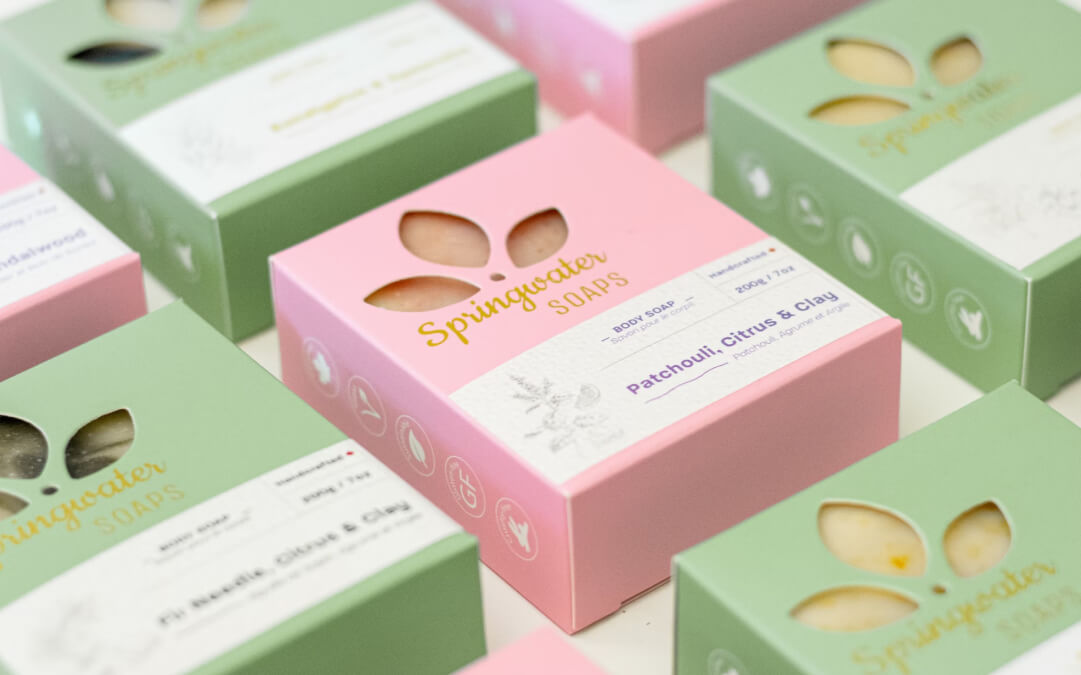
| Sleeve and tray | Printed sleeve over a plain tray | DTC unboxing moment, botanical and wellness brands |
For most pharmaceutical retail and clinical applications, reverse tuck-end in 18pt SBS is the right default. For any application where the opening is part of the brand experience, specify two-piece or sleeve-and-tray.
Pharmaceutical Compliance Copy and DSCSA Serialization Space
Pharmaceutical cardboard vial boxes carry more regulatory content per square centimeter than almost any other retail format. Planning the panel layout for compliance before the artwork is briefed prevents the most common production revision in this category.
Required content by FDA 21 CFR 201:
- Established name of the drug
- Strength or concentration
- Lot or control number
- Expiry date
- Manufacturer name and address
- NDC (National Drug Code) number
- Net quantity of contents
- Storage conditions
- Directions for use or Rx-only designation
DSCSA serialization: The Drug Supply Chain Security Act requires pharmaceutical product packaging to carry a 2D barcode (typically a GS1 DataMatrix) that encodes the NDC, lot number, expiry date, and serial number. This barcode requires a minimum clear zone of approximately 10mm on all sides on the finished box. Reserve this space on the panel layout before artwork is placed.
Panel allocation strategy: For a standard tuck-end pharmaceutical vial box, allocate the front panel to brand name, product name, and strength. Allocate the back panel to full compliance text, ingredient list (if cosmetic), dosage instructions, storage conditions, and the DSCSA serialization barcode. Allocate the side panels to lot number, expiry date, and NDC on one side and the manufacturer address and secondary copy on the other. The top and bottom closure flaps carry no required content but can carry a tamper-evident seal or a brand graphic.
Insert Options for Cardboard Vial Boxes
A cardboard vial box without an insert relies on the box interior dimensions to hold the vial in position. For pharmaceutical and cosmetic applications where vial movement during transit causes breakage or label scuffing, an insert is not optional.
| Insert | Material | Best Pairing with Cardboard Box |
|---|---|---|
| Die-cut cardboard cradle | Same SBS as outer box | Light cosmetic vials, low-cost pharmaceutical retail |
| Scored cardboard partition | Chipboard or SBS | Multi-vial sets with separation required |
| Die-cut EVA foam | EVA foam | Glass pharmaceutical or cosmetic vials, glass protection priority |
| Molded pulp tray | Recycled fiber pulp | Eco-forward brands, pairs well with kraft outer |
| Thermoformed PET tray | Clear PET | Premium cosmetics where vial is visible through the insert |
For most single vials, a sturdy paperboard around 350 GSM holds shape and prints cleanly. A box alone will not stop a vial from sliding around. The insert is what keeps the vial still and safe.
Packaging Expert Tip: Tell the Supplier the Channel Before the Material
Here is the ordering conversation that prevents the most common cardboard vial box specification error.
Most buyers come to a supplier with a vial dimension and say “I need a cardboard box for this vial.” The supplier quotes SBS, or kraft, or corrugated, or all three, and the buyer picks one without fully understanding the difference.
The question that clarifies the right board grade in one step is not “what material?” It is “what channel?”
If the box is going on a pharmacy retail shelf: SBS, 18pt minimum, reverse tuck or auto-bottom, full compliance copy panel planning required.
If the box is going into a courier bag as the outer packaging: corrugated E-flute, no retail print required on the outer, focus on vial protection and box compression strength.
If the box is going to a natural health store or an online DTC customer who cares about the sustainability story: kraft paperboard, dark ink design, molded pulp insert.
If the box is a premium gift set going to a high-value customer: rigid greyboard, litho-wrapped, two-piece format, EVA foam insert.
Four different channels. Four different specifications. One question that gets to the right answer before a single dimension is discussed. Tell us the channel and we recommend the board grade, the caliper, the format, and the insert, then confirm all of it against the vial dimensions before production.
What Every Hexa Order Includes
These terms apply to every order without exception or fine print:
- No die charges and no plate charges, zero hidden setup fees
- Low 100-box minimum for test runs or full production
- 8 to 10 business day turnaround from approved artwork
- Free dielines and ready-to-use templates
- Free 24/7 structural and print support from real packaging people
- 100% recyclable board stock on every order
The Right Board Grade for the Right Channel. Every Time.
SBS for the pharmacy shelf. Kraft for the natural health store. Corrugated for the courier bag. Rigid for the gift set. One conversation before production ensures the box you receive is the one the channel actually needs.
Get your free quote today. No setup fees, low 100-box minimum, delivered in 8 to 10 business days.
- 👉 Request a Free Quote
- 📞 Talk to a packaging expert — free 24/7 support
- ✉️ Email us anytime: hello@hexacustomboxes.com